11000L

Alternatives

Every litre saved counts.

We don't need perfect consumers. We need many people doing a little better — and technology that makes the better choice the easy one.

01

Buy less

Start with what is already in your wardrobe. Choose clothes you want to wear repeatedly and keep for years. Ask: will I still wear this next year?

02

Second hand

Choose used instead of new when you need a garment. The environmental benefit depends on whether it replaces a new purchase, as well as transport and care. Try flea markets, vintage stores, clothing swaps and platforms like Vinted.

03

Visible mending

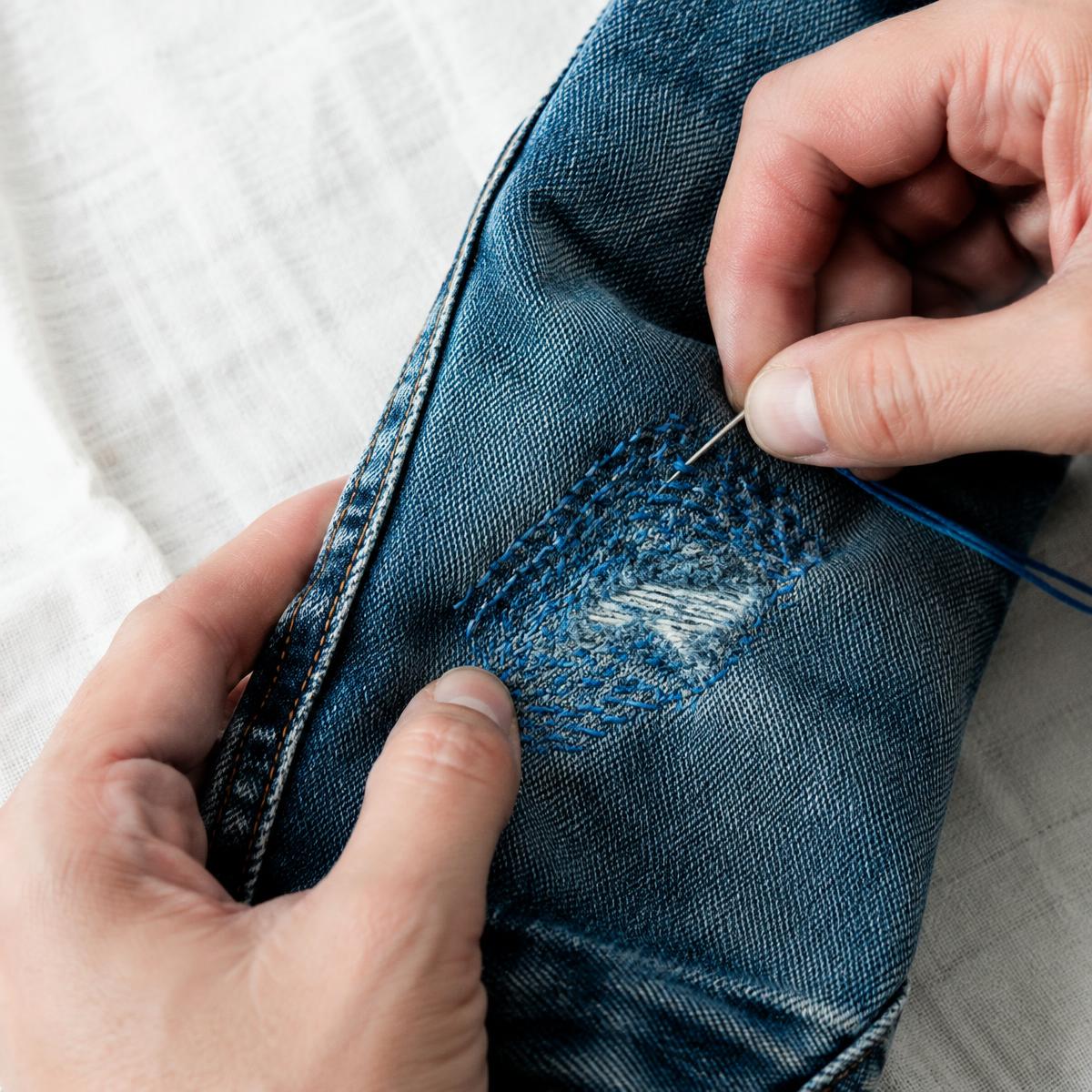
A hole is not the end. Sashiko, darning and patches turn repairs into design — and make the life of a garment visible instead of hiding it.

04

Sustainable brands

When you do buy new, choose brands that design for durability, use organic or recycled fibres and publish where and by whom their clothes are made. Independent labels such as GOTS or OEKO-TEX help you recognise certified standards.

Source: Global Organic Textile Standard (GOTS)

Visible mending with blue sashiko stitches on denim

Visible mending

Repair is the new statement.

Start with a needle, sturdy thread and a simple running stitch over a worn knee or elbow. Repair can keep a garment in use longer. There is no fixed water saving per repair: it depends on what you avoid buying and how that replacement would be made.

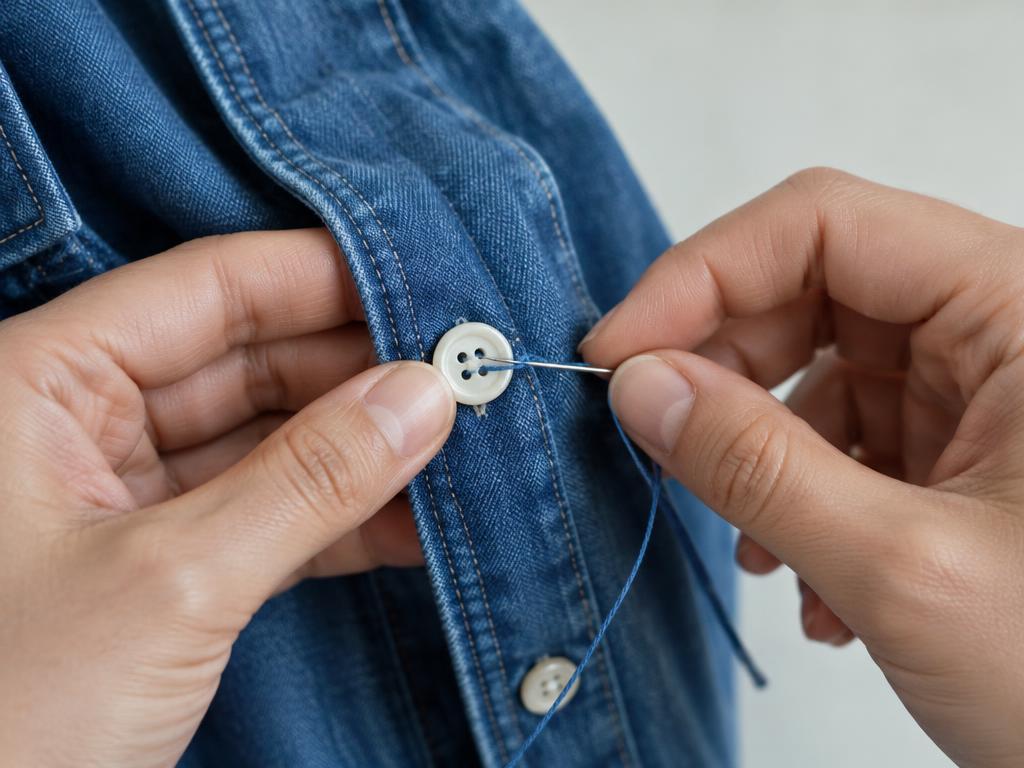
Sewing a button back onto a shirt

01

Start small

  1. 1.Thread a needle and knot the end.
  2. 2.Stitch through the button holes 6–8 times.
  3. 3.Wrap the thread under the button and knot it.
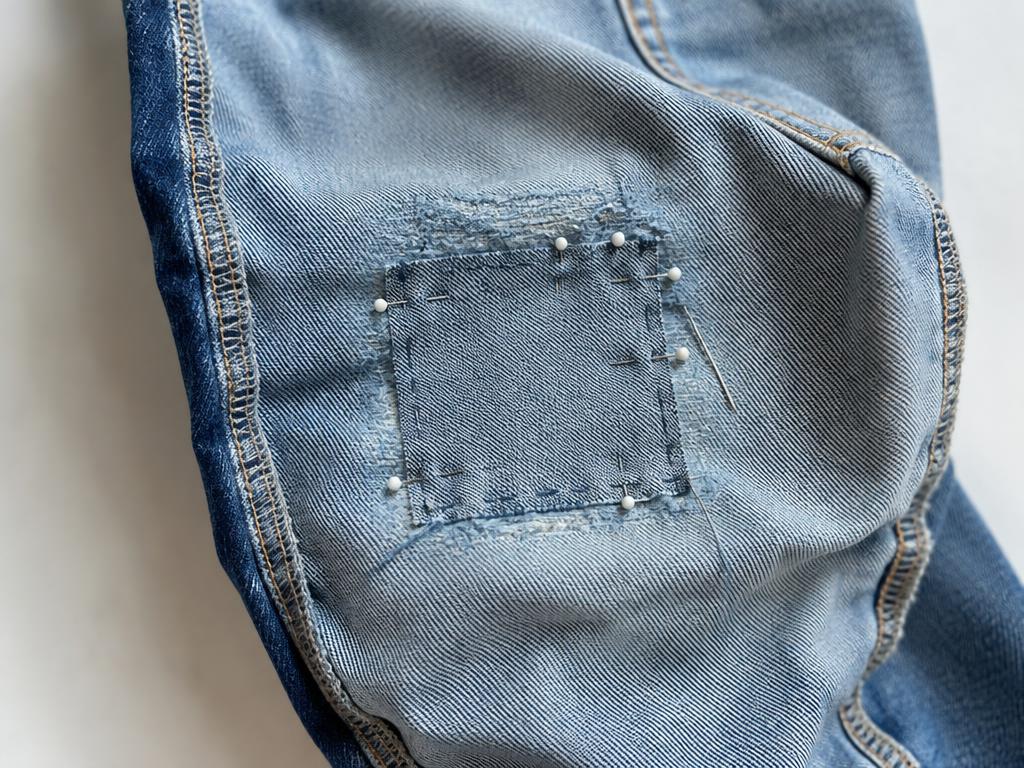
A patch pinned behind worn denim

02

Reinforce weak spots

  1. 1.Turn the garment inside out.
  2. 2.Pin a patch behind the thin area.
  3. 3.Stitch around it with small running stitches.
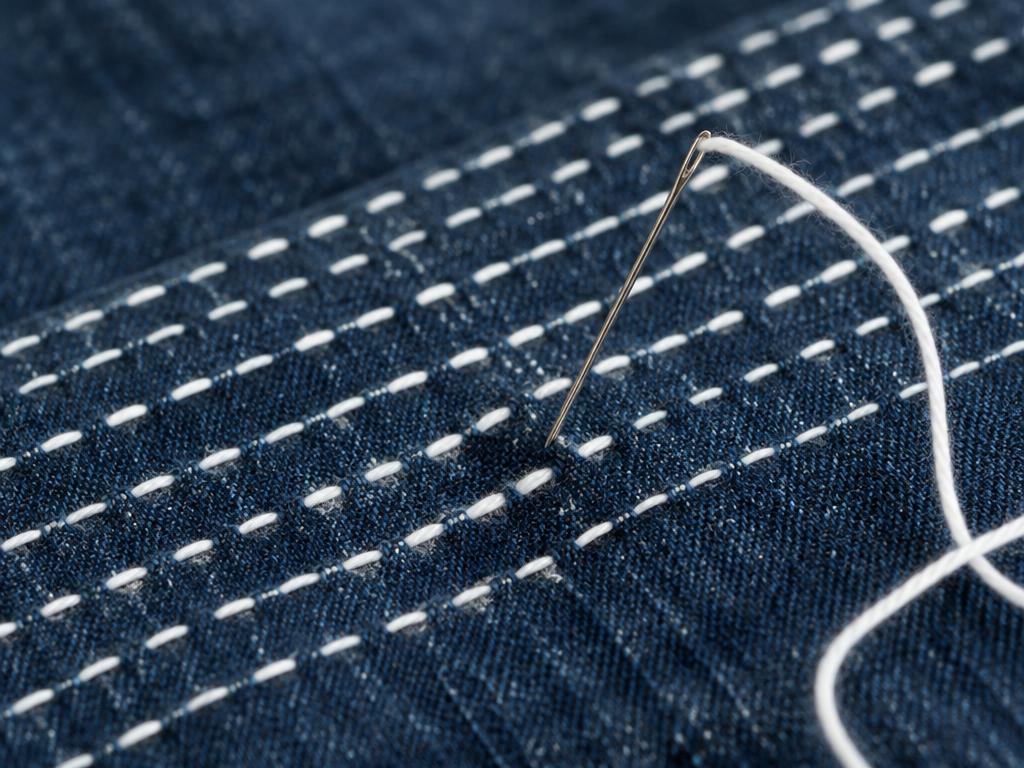
Sashiko running stitches on denim

03

Sashiko: the running stitch

  1. 1.Mark straight lines with chalk.
  2. 2.Sew even in-and-out stitches along each line.
  3. 3.Repeat in rows until the worn area is covered.
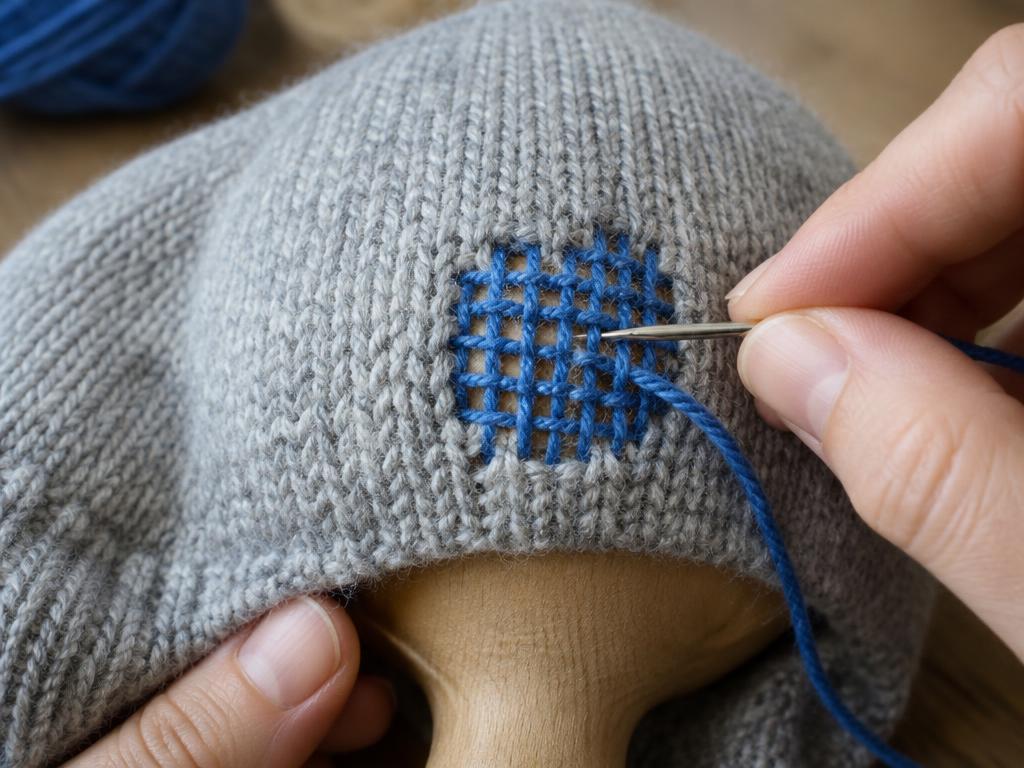
Darning a sweater over a darning mushroom

04

Darning knitwear

  1. 1.Stretch the hole over a darning mushroom or cup.
  2. 2.Sew vertical threads across the hole.
  3. 3.Weave horizontal threads over and under them.
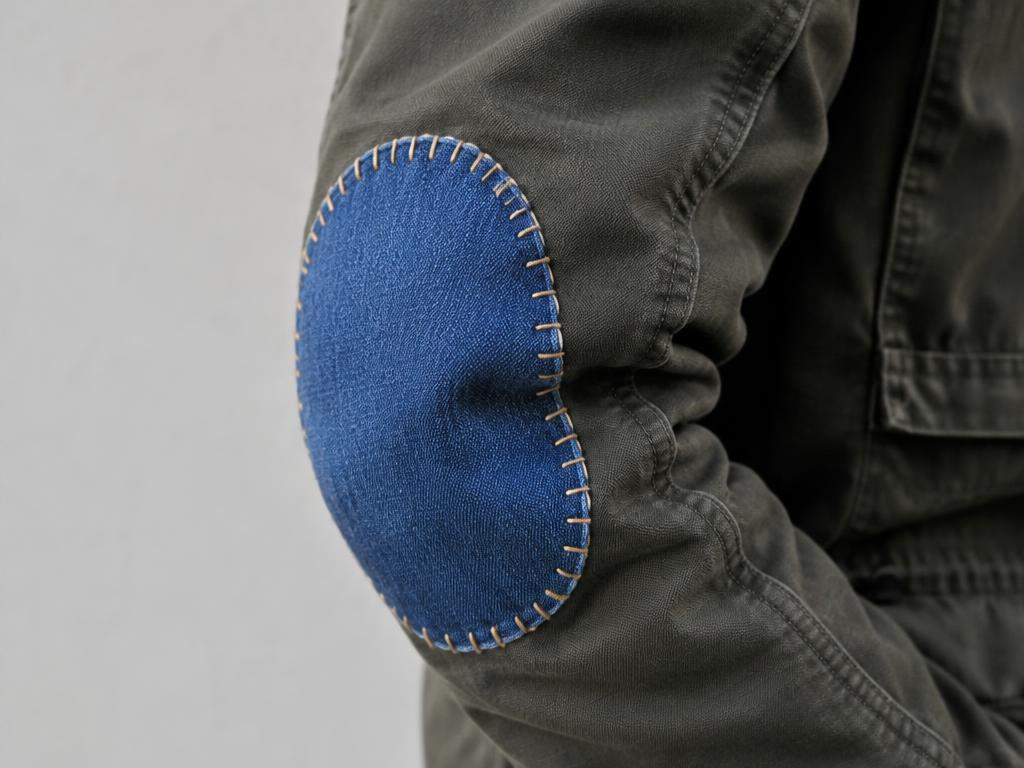
A visible patch stitched on a jacket elbow

05

Patches that show

  1. 1.Cut a patch larger than the damage.
  2. 2.Place it on the outside and iron or pin it.
  3. 3.Stitch around the edge in a contrasting thread.
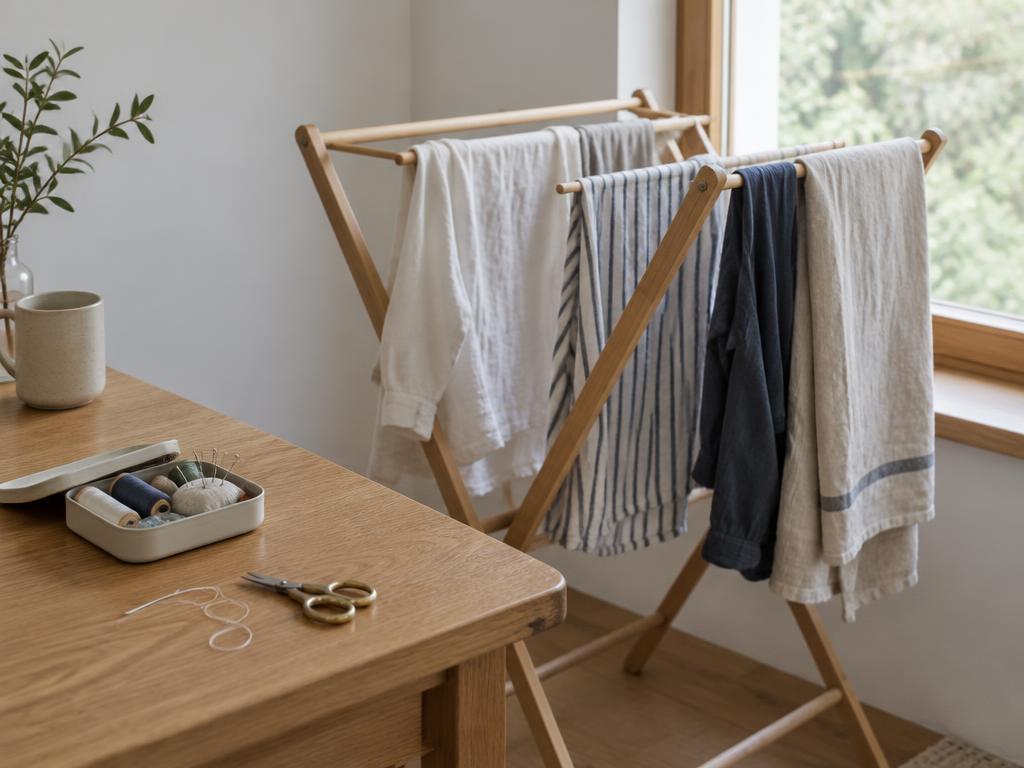
Clothes air-drying next to a sewing kit

06

Wash less, wear longer

  1. 1.Air out clothes instead of washing after every wear.
  2. 2.Wash cold and air-dry.
  3. 3.Keep a needle, thread and scissors within reach.

Every extra wear counts. Doubling the number of times a garment is worn would cut greenhouse gas emissions from the clothing industry by around 44%.

Source: Ellen MacArthur Foundation (2017)

Textile & sewing meetup

Feeling like mending something yourself?

Find a textile & sewing meetup near you — or start your own group with a free page, dates and sign-ups on 11000L.

Get involved →

Technology · B2B

Startups working behind the counter.

The most effective fixes don't ask consumers to be better. They are business-to-business tools that make second-hand retail and repair practical at scale.

01 · For second-hand shops & charities

Minimist

An end-to-end platform for charity retail and second-hand shops. Staff photograph a donated item, Minimist researches a fair local price, prints the label and connects the piece to the till, while local shoppers can see what is actually in store. The easier a shop can run, the more garments it keeps in use.

Visit minimist.com →

02 · For fashion brands

MENDED

After-sale infrastructure for premium fashion brands. MENDED acts as a fully managed extension of the brand: repairs, care and returns are handled to one standard across every market. A brand that stays responsible after checkout sells clothes that are built to be kept — and repaired.

Visit brands.mended.eu →